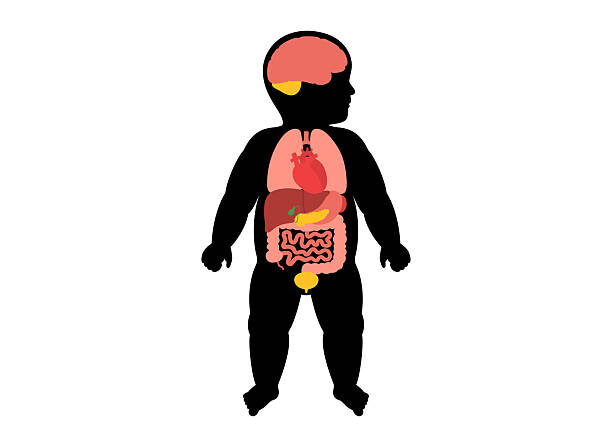
What Is a Bone Marrow Transplant?
A bone marrow transplant (BMT), also called hematopoietic stem cell transplantation (HSCT), is a life-saving procedure that replaces a baby’s diseased or failing bone marrow with healthy stem cells. These stem cells can come from bone marrow, peripheral blood, or umbilical cord blood. In infants, the goal is usually complete cure of a genetic, immune, or blood disorder rather than just disease control.
Unlike solid-organ transplants, bone marrow transplants do not involve surgery on the baby. Instead, healthy stem cells are infused intravenously, much like a blood transfusion. Once in the bloodstream, the new cells travel to the bone cavities and begin producing healthy red blood cells, white blood cells, and platelets.
Why Do Some Babies Need a Transplant?
Infants require bone marrow transplants when their own marrow cannot produce functional blood or immune cells. This failure can be congenital (present from birth) or acquired shortly after birth. Without replacement, most of these conditions are fatal within the first one to two years of life.
Early transplantation—often in the first months of life—offers the highest chance of cure because the immune system is still developing and more accepting of new cells.
Common Conditions Treated in Infancy
The most frequent reasons for infant bone marrow transplant include:
- Severe Combined Immunodeficiency (SCID) and other primary immunodeficiencies
- Certain types of leukemia (infant acute lymphoblastic leukemia, juvenile myelomonocytic leukemia)
- Hemophagocytic lymphohistiocytosis (HLH)
- Osteopetrosis
- Congenital amegakaryocytic thrombocytopenia
- Fanconi anemia and other bone marrow failure syndromes
- Selected metabolic disorders (e.g., Hurler syndrome, malignant infantile osteopetrosis)
SCID: The Classic “Bubble Baby” Disease
Severe Combined Immunodeficiency affects approximately 1 in 50,000–100,000 newborns. Babies with SCID have little or no functional T- or B-cell immunity and suffer repeated, life-threatening infections from birth.
Newborn screening (TREC testing) now identifies most cases within days of birth in many countries. When diagnosed early and transplanted before four months of age, survival exceeds 95%. Delay beyond 3–4 months dramatically reduces success because of accumulated infections and organ damage.
Leukemia and Other Cancers in Infants
Infant leukemia, especially acute lymphoblastic leukemia with MLL gene rearrangement, is aggressive and often resistant to chemotherapy alone. Many protocols now recommend allogeneic transplant in first remission for high-risk cases.
Juvenile myelomonocytic leukemia (JMML) almost always requires transplant as the only curative option. Because these cancers appear before age one, the transplant team must adapt conditioning regimens and supportive care for tiny patients weighing as little as 3–6 kg.
Finding a Donor: Sibling, Registry, or Haploidentical?
The ideal donor is an HLA-identical sibling (25% chance when a sibling exists). When no matched sibling is available, options include:
- Unrelated donor from international registries (10–20% chance for rare haplotypes)
- Umbilical cord blood units (faster availability, tolerates 1–2 HLA mismatches)
- Haploidentical family donor (parent or sibling) using modern T-cell depletion or post-transplant cyclophosphamide
In infants, cord blood and haploidentical transplants have become preferred alternatives because they eliminate long registry search times.
Cord Blood and Half-Matched Family Donors
Umbilical cord blood is especially valuable for infants. A single cord unit often contains enough cells for a baby under 10 kg, and the immature immune cells cause less graft-versus-host disease. Public and private cord blood banks have dramatically increased cure rates for babies without matched donors.
Haploidentical transplants using one parent as donor now achieve survival rates comparable to matched unrelated donors (85–90%) thanks to improved GVHD prevention protocols.
Preparing Your Baby for Transplant
Preparation begins weeks before admission:
- Central line placement (Broviac or Hickman catheter)
- Complete infection work-up and treatment of any existing infections
- Dental evaluation (even in toothless infants to rule out hidden sources)
- Cardiac, renal, and developmental assessments
- Parental education and psychological support
Many centers admit infants to HEPA-filtered positive-pressure rooms 7–10 days before conditioning starts.
The Transplant Procedure Step-by-Step
Day –8 to –1: Conditioning (chemotherapy ± total body irradiation) Day 0: Stem cell infusion (the “transplant day”) – takes 30 minutes to 4 hours Day +1 onward: Supportive care and waiting for engraftment
The actual infusion is painless and resembles a blood transfusion. Premedication prevents allergic reactions. Parents may stay at the bedside during infusion.
Conditioning: Chemotherapy and Immunity Reset
Infants receive “myeloablative” or “reduced-intensity” regimens depending on the disease:
- Busulfan + cyclophosphamide remains standard for many non-malignant disorders
- Fludarabine-based reduced-intensity regimens are increasingly used for SCID and metabolic diseases
- Total body irradiation is almost never used under age one due to growth concerns
Precise pharmacokinetic monitoring of busulfan is critical in babies to avoid toxicity.
Engraftment and the First 100 Days
Engraftment (when donor cells begin producing blood cells) typically occurs between day +10 and +28. Signs include:
- Rising white blood cell count
- Platelet independence
- Red blood cell transfusion independence
The first 100 days are the most dangerous period for infections, veno-occlusive disease, and acute GVHD.
Common Complications and How They’re Managed
Major early complications in infants:
- Mucositis and severe pain (managed with PCA morphine or fentanyl)
- Sinusoidal obstruction syndrome (treated with defibrotide)
- Viral reactivations (CMV, adenovirus, EBV) – preemptive monitoring and early antiviral therapy
- Bacterial and fungal sepsis – broad-spectrum coverage and prophylactic antifungals
- Acute GVHD – steroids, ruxolitinib, or ATG
Infants tolerate these complications surprisingly well when managed in experienced centers.
Life After Transplant: GVHD and Immunity
Chronic GVHD is rare in infants (<10%). Most long-term issues relate to:
- Growth and endocrine function (especially after busulfan)
- Dental development
- Neurocognitive outcomes
- Fertility preservation concerns (emerging data suggest many retain fertility)
Immune reconstitution takes 6–24 months. Babies receive immunoglobulin replacement and PCP prophylaxis until CD4 counts recover.
Long-Term Survival Rates in Infants
Current overall survival for infant bone marrow transplant (2020–2025 data):
- SCID (transplanted <4 months): 94–97%
- Non-SCID immunodeficiencies: 85–92%
- Infant ALL in remission: 70–85%
- JMML: 75–90%
- Osteopetrosis: 80–90% (improved with early referral)
Outcomes continue improving yearly due to better donor selection, reduced-intensity conditioning, and infection management.
Success Stories and New Advances
Recent breakthroughs benefiting infants:
- In-utero screening and transplantation for SCID (experimental)
- Gene therapy as alternative to transplant for SCID-X1 and ADA-SCID (now licensed in some countries)
- Universal cord blood expansion techniques increasing cell dose
- JAK inhibitors and post-transplant cyclophosphamide reducing GVHD
- Early adenovirus-specific T-cell therapy saving babies with refractory viral disease
Questions Parents Ask Most Often
Will my baby remember the hospital? No. Most transplants occur before age one; long-term memories rarely form.
Can we breastfeed after transplant? Usually yes, once engraftment occurs and medications allow.
When can we go home? Typically 6–12 weeks after transplant if no major complications.
Will my child need another transplant?
90% of successful infant transplants are curative with one procedure.
Does transplant affect brain development? Early data from reduced-intensity regimens show normal or near-normal cognitive outcomes in the majority.
Bone marrow transplantation in infancy remains one of the most dramatic success stories in modern medicine. When performed early by experienced teams, it transforms universally fatal diseases into curable conditions, allowing thousands of “bone marrow babies” to survive and thrive into healthy childhood and adulthood.


MOST COMMENTED
Blog
The Growth of Uploadblog.com in USA: A Go-To Platform for U.S.-Based Writers
Blog
Article Rewriter UploadArticle.com Review: Easy and Efficient Content Rewriting Solution
Blog
Easy-to-Use Sitemap Generator UploadArticle.com – Perfect for Beginners and Pros
Technology
How to Fix SSIS Error Code 469 in Your Data Integration Packages
Sports
Zeochip com (Zoechip) Review: Access, Quality, and User Risks
Education
Ronenia Meaning: Is It a Country or Just an Online Misconception?
Information
Warning: 03301246300 Linked to Housing Fraud Reports