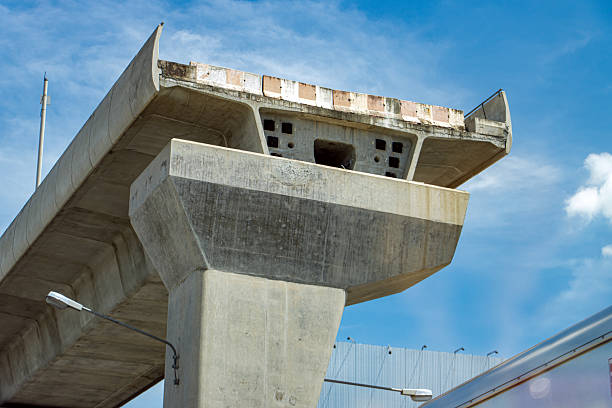
Overview of the M20 Kent Bridge Closure
The M20 in Kent is one of the most important motorways in the southeast of England, linking London with Dover and connecting thousands of drivers to ports, businesses, and major travel routes. When a bridge on this motorway is closed, even temporarily, it creates an immediate impact on traffic flow, travel times, and local communities. The recent closure of the M20 Kent vehicle bridge has once again highlighted how crucial this motorway is for both local and international travel.
This guide explains everything drivers need to know about the closure, including what caused it, how it affects travel, which areas are most impacted, and what officials are doing to restore normal traffic conditions. The goal is to help every driver stay informed, understand the reason behind the incident, and plan their journeys with confidence.
What Caused the Closure
The bridge closure on the M20 in Kent was triggered by a serious structural concern following an incident involving a vehicle. When a heavy vehicle strikes a bridge or damages its underside, the motorway authority must take immediate action to assess the stability of the structure. Even minor fractures or shifts can make a bridge unsafe for continuous traffic, especially heavy goods vehicles that travel this route daily.
In the most recent incident, engineers identified visible damage that required a full inspection. Structural engineers needed time to evaluate whether the bridge was safe to keep open. Because safety is always the top priority, the bridge was closed temporarily to prevent any risks to drivers.
This type of closure is not uncommon on major motorways. Bridges carry enormous weight and must meet strict safety standards. Any sign of weakness requires an immediate halt to traffic until repairs are completed and the structure is declared safe again.
When the Incident Happened
The most recent M20 Kent bridge closure occurred in August 2025, following a vehicle impact that raised safety concerns. Although the motorway has experienced similar closures in past years, this incident required a more detailed inspection due to the extent of the damage.
The closure was announced quickly, allowing drivers to find alternative routes. Traffic officers and engineers arrived at the scene within minutes, confirming that the bridge needed to be shut down to avoid further risks. The closure remained in place while assessments took place, and diversions were set up to keep vehicles moving.
Areas Most Affected
The closure had the greatest impact on the sections of the M20 nearest to the damaged bridge. Drivers travelling between Maidstone, Ashford, Folkestone, and the surrounding villages experienced the most delays. These areas carry a high volume of traffic because they serve as gateways to Dover Port and the Channel Tunnel.
Local roads also faced increased pressure as drivers attempted to avoid the closed section of the motorway. Towns such as Aylesford, Ditton, and Bearsted reported heavier congestion than usual. Freight routes were particularly impacted, with lorries forced to use extended diversions.
Because the M20 is central to Kent’s transport network, even a short closure can create ripple effects across connected highways and local routes.
Impact on Drivers and Traffic
For everyday drivers, the bridge closure led to longer journey times and slower traffic flow. Peak travel hours became especially challenging as more vehicles used diversion routes. Commuters heading toward London or coastal areas saw delays of up to an hour depending on the time of day and travel direction.
Freight drivers faced an even more difficult situation. The M20 is the primary motorway for goods entering and leaving the UK through Dover. Any disruption on this route impacts supply chains, delivery times, and transport schedules.
Public transport services also adjusted their schedules to avoid the most congested areas. Buses and coaches travelling through Kent experienced longer travel times, affecting both local commuters and long-distance passengers.
Official Statements from Authorities
Highways officials issued several statements regarding the closure. They reassured drivers that the safety of the bridge was being thoroughly evaluated and that engineers were working around the clock to inspect the damage. Authorities emphasized that reopening the bridge before completing repairs would put drivers at risk, something they were unwilling to compromise.
Traffic management teams confirmed that the closure would stay in place until experts had completed detailed checks. The government also highlighted that similar incidents in the past were resolved successfully, and repairs would be carried out as quickly as possible while maintaining strict safety standards.
Safety Measures Taken on the M20
During the closure, several safety measures were put in place to control traffic and reduce congestion. Traffic officers installed temporary barriers to guide vehicles along diversion routes. Speed limits were adjusted in certain areas to maintain safe driving speeds around repair zones.
Engineers also used specialist equipment to assess the bridge. This included scanners, stability sensors, and structural evaluation tools. These detailed checks ensured that any hidden internal damage could be detected before making decisions about reopening.
The motorway authority also deployed additional signage to alert drivers well before they reached the closed area. This helped reduce sudden braking and last-minute lane changes, which could create further risks.
Diversion Routes for Drivers
To help drivers continue their journeys, several diversion routes were put in place. The official diversions guided vehicles onto nearby A roads and alternate motorway sections. These routes were chosen to handle high traffic while keeping travel times manageable.
Local drivers often chose their own familiar shortcuts, which eased some pressure on the main diversions. However, drivers unfamiliar with the area were encouraged to follow the official routes to avoid getting stuck on narrow or congested local roads.
Heavy goods vehicles were advised to follow specific freight-friendly routes that could safely accommodate larger vehicles without causing further disruption.
How Long the Closure May Last
The exact duration of a bridge closure depends on the severity of the damage, inspection results, and the complexity of repairs. Engineers typically complete inspections within days, but repairs can take longer if major structural reinforcement is needed.
In the latest incident, the closure continued through several days of assessment. Repairs were expected to take additional time in order to ensure the bridge met full safety standards before reopening. Drivers were advised to stay updated through official channels and plan extra travel time until the situation returned to normal.
Advice for Local and Long-Distance Drivers
Drivers using the M20 need to take extra precautions during any major closure. The most important piece of advice is to plan journeys in advance. Checking traffic updates before leaving can save a significant amount of time and reduce stress.
Local drivers should consider alternative routes during peak hours to avoid diversion congestion. Long-distance drivers heading to Dover or London should leave earlier than usual and expect slower traffic flow near the closure boundaries.
Maintaining safe driving distances, avoiding sudden lane changes, and staying patient are essential during temporary traffic disruptions.
Effects on Freight and Business Travel
The M20 plays a crucial role in supporting businesses, especially those involved in import and export activities. Any closure along this route can disrupt logistics schedules and delivery operations. Freight companies often need to adjust routes, change delivery windows, or reassign drivers based on the updated travel conditions.
Businesses that rely on time-sensitive deliveries may experience delays, but freight operators typically coordinate closely with authorities to minimize disruptions. Although the closure caused temporary inconvenience, the long-term benefit of ensuring a safe bridge outweighs short-term delays.
Weather and Structural Concerns
Weather can significantly influence the condition of motorway bridges. Heavy rain, extreme heat, and freezing temperatures can weaken concrete, expand structural cracks, or damage protective layers. When a vehicle impact occurs during or after such weather conditions, the risk of further structural weaknesses increases.
During the M20 closure, engineers assessed whether recent weather patterns contributed to the damage. This step ensured that the repair plan addressed both the visible and hidden issues to maintain long-term safety.
Steps Taken to Repair the Bridge
Repairing a motorway bridge requires a carefully planned series of steps. Engineers typically begin with a structural assessment, followed by temporary supports if needed. Damaged sections may require reinforcement, welding, or complete replacement depending on the extent of the impact.
In this case, specialists examined the bridge using advanced tools and then planned the appropriate repair work. Once repairs were approved, skilled workers and machinery were deployed to restore the structure safely. After completion, a final inspection ensured that the bridge met all safety regulations before reopening.
How to Stay Updated on M20 Traffic
Drivers can stay updated on M20 traffic conditions by checking daily traffic updates, listening to travel bulletins, or using navigation systems that provide real-time congestion reports. Staying informed allows drivers to plan better, reduce delays, and avoid entering closed sections of the motorway accidentally.
Road authorities also provide announcements when major updates occur, including changes to diversion routes or expected reopening times.
What to Expect Going Forward
Once the bridge fully reopens, traffic is expected to return to normal gradually. Although some areas may remain busy until all repair equipment is cleared, most drivers will experience smoother travel once the closure is lifted.
The incident serves as a reminder of the importance of infrastructure maintenance and the need for continuous monitoring of heavily used transport routes. With proper repairs and inspection procedures in place, the M20 will continue to serve as a reliable motorway for years to come.


MOST COMMENTED
Blog
The Growth of Uploadblog.com in USA: A Go-To Platform for U.S.-Based Writers
Blog
Article Rewriter UploadArticle.com Review: Easy and Efficient Content Rewriting Solution
Blog
Easy-to-Use Sitemap Generator UploadArticle.com – Perfect for Beginners and Pros
Technology
How to Fix SSIS Error Code 469 in Your Data Integration Packages
Sports
Zeochip com (Zoechip) Review: Access, Quality, and User Risks
Education
Ronenia Meaning: Is It a Country or Just an Online Misconception?
Information
Warning: 03301246300 Linked to Housing Fraud Reports