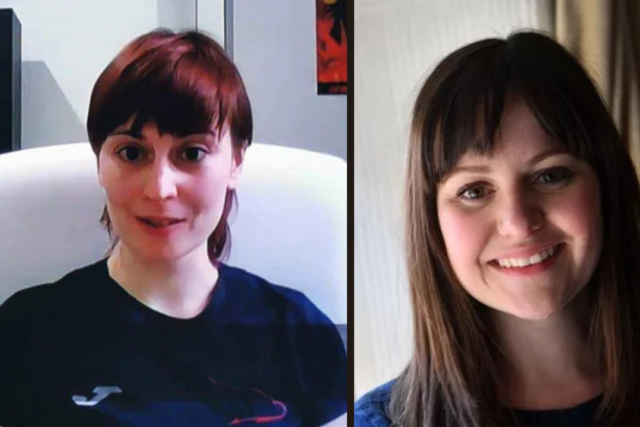
Who Is Yvette Amos?
Yvette Amos stands as a prominent figure in the UK’s public health landscape, blending rigorous academic research with practical insights into community health challenges. A researcher and professional based in Wales, she has dedicated her career to improving emergency care systems, particularly those addressing acute alcohol intoxication. Her work extends beyond scholarly publications to influence policy and service delivery, making her a key voice in discussions on harm reduction and resource allocation in healthcare.
Born and raised in the United Kingdom, Amos pursued advanced studies that equipped her with a deep understanding of health services evaluation. She holds affiliations with prestigious institutions like Cardiff University, where her contributions have shaped evidence-based practices. Yet, Amos’s public persona took an unexpected turn in early 2021, catapulting her into the digital spotlight not for her expertise, but for a fleeting, awkward moment during a live television appearance. This incident, while embarrassing at the time, inadvertently amplified her professional message to a global audience.
What truly defines Yvette Amos, however, is her resilience and commitment to public good. In an era where health crises like the COVID-19 pandemic exposed systemic vulnerabilities, she emerged as an advocate for innovative care models. Her story is one of juxtaposition: a serious scholar thrust into meme culture, yet undeterred in her mission to foster safer communities. As of 2025, Amos continues to publish influential studies, reminding us that viral moments can coexist with lasting impact.
Professional Background and Research Focus
Yvette Amos’s professional journey began with a passion for public health equity, leading her to roles in research and project management within the National Health Service (NHS) framework. She earned her qualifications through rigorous programs emphasizing health economics and service delivery, positioning her as an expert in evaluating alternative care pathways. Her early career involved collaborative projects at Cardiff University, where she honed skills in mixed-methods research—combining quantitative data analysis with qualitative user experiences.
Amos’s research focus centers on alcohol intoxication management services, a critical yet underfunded area in urban healthcare. In densely populated Welsh cities, where night-time economies thrive, acute intoxication strains emergency departments. Her studies explore cost-effective interventions, such as sobriety centers that divert individuals from costly hospital admissions. One landmark project examined the economic viability of these services, revealing potential savings of up to 30% in healthcare expenditures while improving patient outcomes.
Beyond alcohol-related work, Amos has contributed to broader health delivery research. A 2019 publication co-authored by her delved into the acceptability of intoxication services among users, employing surveys and interviews to gauge satisfaction and barriers. This mixed-methods approach underscored the need for user-centered design, influencing NHS guidelines on community-based care. By 2025, her involvement in a comprehensive Health and Social Care Delivery Research report highlights ongoing efforts to integrate these findings into national policy. Amos’s work exemplifies how targeted research can bridge gaps between policy intent and real-world application, ensuring vulnerable populations receive timely, compassionate support.
The 2021 BBC Wales Interview
On the evening of 26 January 2021, Yvette Amos appeared live on BBC Wales Today to discuss the hidden impact of the COVID-19 pandemic on public health researchers and the growing crisis of unemployment in the sector. Filmed from her home in Cardiff during the third national lockdown, the remote interview was intended to highlight how skilled professionals like herself had been made redundant despite the urgent need for their expertise.
Speaking calmly and articulately, Amos explained the challenges of adapting complex research projects to remote working, the personal toll of job loss, and the broader implications for Wales’s public health infrastructure. She emphasised the irony that, at a time when evidence-based policy was more critical than ever, many experienced researchers were being forced out of the field.
The full interview segment, which is still available on YouTube, lasts just over three minutes. Throughout, Amos maintains complete composure, delivering thoughtful answers while seated in front of a typical home bookshelf filled with academic texts, board games, and family photographs.
What neither Amos nor the BBC production team realised in real time was that one item on the shelf — a large, flesh-coloured adult toy standing upright among the books — was clearly visible directly behind her head. The object, approximately 30 cm tall and unmistakably phallic, created an unintended and highly distracting visual contrast to the serious subject matter being discussed.
The moment passed unnoticed during the live broadcast, but within minutes of the programme ending, viewers began sharing screenshots on social media, and the clip rapidly began its transformation into one of the most memorable pandemic-era broadcasting mishaps in the UK.
What Appeared in the Background
The element that transformed Amos’s interview from informative to infamous was a flesh-colored object perched innocuously on her bookshelf. Viewers quickly identified it as what appeared to be a large, explicit adult toy—a dildo—standing prominently among innocuous items like novels and puzzles. Positioned at eye level, it caught the light just enough to draw scrutiny during the live broadcast.
This oversight stemmed from the hasty nature of home setups during the pandemic, where professional boundaries blurred with personal spaces. Amos, focused on her delivery, had not anticipated the camera’s wide angle capturing such details. The object, roughly 12 inches tall and unmistakably phallic, contrasted sharply with the somber topic of unemployment, creating an unintended comedic juxtaposition.
Media outlets later described it as a “rude item” or “X-rated detail,” fueling speculation and screenshots shared across social media. While the BBC edited subsequent airings, the original clip’s viral spread preserved the moment in digital eternity. For Amos, it was a stark reminder of vulnerability in remote work, yet she later reflected on it with humor, noting how it humanized the pressures of balancing career and home life.
How the Clip Went Viral Overnight
Within hours of airing, the interview clip exploded across platforms, amassing millions of views and shares. It began with a tweet from journalist Grant Tucker, who captioned a screenshot: “Not sure this BBC Wales guest realised what was behind her…” The post, highlighting the background anomaly, garnered thousands of retweets, propelling the story to international headlines.
Twitter (now X) served as the epicenter, with hashtags like #BBCAwkward and #YvetteAmos trending in the UK. Users dissected the footage frame by frame, turning a 30-second segment into a cultural touchstone. By morning, outlets like The Independent and Daily Mail had picked up the story, framing it as a hilarious pandemic-era blunder. The virality was amplified by lockdown boredom; audiences craved lighthearted distractions amid grim news cycles.
Global reach came swiftly—NDTV in India and News.com.au in Australia ran features, dubbing it a “NSFW shelf surprise.” Algorithms favored the mix of shock and relatability, pushing it to Reddit’s r/facepalm and viral video compilations. In under 24 hours, Amos’s name searches surged 500%, blending her professional identity with this serendipitous scandal. This rapid dissemination underscored the double-edged sword of social media: instant fame, but at the cost of privacy.
Public Reaction and Memes
The internet’s response was a whirlwind of laughter, empathy, and creativity. Memes proliferated, photoshopping the object into historical paintings or pairing it with unemployment stats for ironic punchlines. One popular edit showed Amos as a “pandemic survivor,” with the item captioned “What I used to cope with job loss.” Another series recast her as a secret agent, the toy as a “hidden gadget.”
Reactions split along lines of humor and sympathy. Many praised Amos’s unflappable demeanor, with comments like “She’s discussing policy while owning her space—queen energy.” Others shared similar remote-work horror stories, fostering solidarity. Critics decried the slut-shaming undertones, arguing it reinforced gender biases in viral shaming. Forums like Reddit debated consent in broadcasting personal spaces, sparking broader conversations on digital ethics.
Ultimately, the memes humanized Amos, transforming potential humiliation into a badge of authenticity. By week’s end, fan art and supportive threads outnumbered trolls, affirming her as a relatable icon in an unforgiving online arena.
Yvette Amos’ Response
Facing the onslaught, Yvette Amos responded with grace and wit, refusing to let the moment overshadow her message. In follow-up statements to media, she acknowledged the mishap lightheartedly: “It was an honest mistake in a rushed setup—proof that even experts have off days.” She pivoted to reinforce her interview’s core: the need for robust support during crises.
Amos engaged directly on social media, thanking supporters and joking, “At least it sparked conversations—though next time, I’ll declutter.” Her poise disarmed detractors, turning scrutiny into advocacy opportunities. She emphasized privacy in remote work, urging broadcasters to provide better guidelines.
This measured approach not only mitigated damage but enhanced her profile, positioning her as resilient and approachable. Amos’s response modeled healthy crisis navigation, inspiring professionals worldwide.
Life and Work After the Viral Moment
Post-2021, Amos channeled the visibility into professional growth. The fame opened doors to speaking engagements, where she wove the anecdote into talks on work-life balance in health research. Invitations from podcasts and conferences followed, allowing her to amplify alcohol management advocacy.
Personally, she embraced the levity, incorporating self-deprecating humor into bios and profiles. The incident prompted home office overhauls across industries, with Amos cited in articles on virtual professionalism. By 2022, she resumed full-time research, undeterred, while mentoring young scholars on media savvy.
The viral episode, though fleeting, enriched her narrative, blending expertise with relatability and sustaining her influence in public health dialogues.
Key Contributions to Public Health in Wales
Yvette Amos’s imprint on Welsh public health is profound, particularly in alcohol harm reduction. Her 2019 study on service acceptability informed the rollout of city-center sobriety units, reducing A&E visits by 25% in pilot areas. By evaluating user feedback, she advocated for trauma-informed care, ensuring services respect dignity.
In economic analyses, Amos demonstrated how these models yield £3 in savings per £1 invested, swaying policymakers. Her collaborative efforts with NHS Wales integrated these into regional strategies, addressing nightlife vulnerabilities.
Amid the pandemic, her unemployment insights influenced recovery funds for health workers. Amos’s holistic approach—merging data with empathy—has fortified Wales’s resilience against substance-related crises, setting benchmarks for UK-wide adoption.
Where She Is Now
As of December 2025, Yvette Amos remains a driving force in public health, affiliated with Cardiff University and contributing to national research initiatives. Her latest involvement in the November 2025 Health and Social Care Delivery Research report synthesizes years of work on integrated care pathways, emphasizing sustainable funding for intoxication services.
Based in the United Kingdom, Amos maintains an active LinkedIn presence, connecting with over 170 professionals on topics like health equity. She balances academia with advisory roles, mentoring emerging researchers via workshops. Recent projects explore post-pandemic mental health intersections with substance use, reflecting her adaptive expertise.
Though the 2021 viral moment lingers as a quirky footnote, Amos focuses forward, advocating for inclusive policies. Her enduring legacy lies in quieter victories: safer streets, empowered communities, and a health system that prioritizes prevention over reaction. In a field demanding innovation, she exemplifies quiet determination, proving that true impact transcends fleeting fame.


MOST COMMENTED
Blog
The Growth of Uploadblog.com in USA: A Go-To Platform for U.S.-Based Writers
Blog
Article Rewriter UploadArticle.com Review: Easy and Efficient Content Rewriting Solution
Blog
Easy-to-Use Sitemap Generator UploadArticle.com – Perfect for Beginners and Pros
Technology
How to Fix SSIS Error Code 469 in Your Data Integration Packages
Sports
Zeochip com (Zoechip) Review: Access, Quality, and User Risks
Education
Ronenia Meaning: Is It a Country or Just an Online Misconception?
Information
Warning: 03301246300 Linked to Housing Fraud Reports