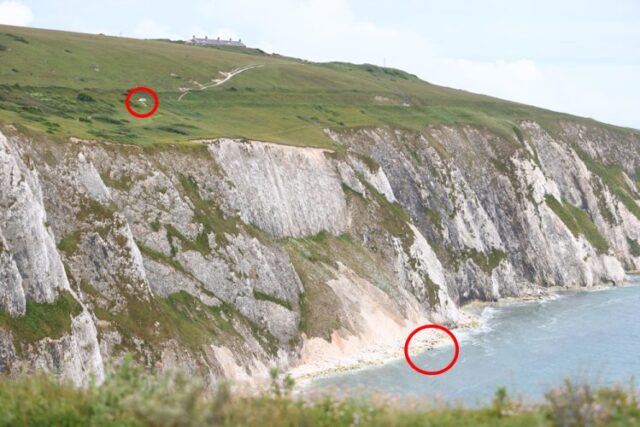
The Isle of Wight, a picturesque island off the southern coast of England, is renowned for its stunning landscapes, historic sites, and serene coastal drives. However, on a fateful Friday evening in June 2025, this idyllic setting became the backdrop for a devastating tragedy that shocked the nation. The incident at Alum Bay New Road, near the iconic Needles landmark, involved a car plummeting over a cliff into the churning waters below, claiming the lives of a devoted couple and their beloved pets. This event not only highlighted the inherent dangers of coastal roads but also underscored the fragility of life in even the most beautiful places. As investigations continue and the community mourns, this article delves into the harrowing details, exploring the what, who, when, and why behind the Alum Bay cliff crash. Drawing from official reports and local sentiments, we aim to provide a comprehensive account that honors the victims while raising awareness about road safety in vulnerable areas like the Isle of Wight.
What Happened at Alum Bay
Alum Bay, located on the western tip of the Isle of Wight, is famous for its multicolored sand cliffs and proximity to The Needles, a series of chalk stacks rising dramatically from the sea. It’s a popular tourist destination, attracting visitors with its breathtaking views, chairlift rides, and sandy beaches. However, on June 6, 2025, this scenic spot turned into a scene of unimaginable horror when a silver Ford Mondeo veered off Alum Bay New Road and plunged approximately 300 feet into the ocean below.
The crash occurred around 7:20 PM, as the sun was beginning to set, casting a golden hue over the cliffs. According to initial police reports, the vehicle was traveling along the narrow, winding road that hugs the clifftop, offering panoramic vistas but also posing significant risks due to its sharp bends and lack of substantial barriers in some sections. Eyewitnesses and authorities believe the car left the roadway unexpectedly, hurtling over the edge without any apparent braking marks, suggesting a possible sudden loss of control. The impact with the water was catastrophic, with the car landing inverted and partially submerged, leading to the immediate fatalities of all occupants.
This type of accident, while rare, exposes the perilous nature of driving in coastal regions where natural beauty intersects with engineering challenges. The Isle of Wight’s geology, characterized by soft chalk and erosion-prone cliffs, has long made areas like Alum Bay susceptible to such incidents. In the aftermath, questions arose about whether environmental factors, such as wind gusts or road conditions, played a role. The tragedy unfolded rapidly, transforming a routine drive—perhaps a leisurely outing for the occupants—into a fatal plunge that resonated far beyond the island’s shores. As news spread, it prompted discussions on improving safety measures, including better signage, guardrails, and speed limits on similar routes across the UK.
The event’s location added to its poignancy; The Needles, named for their needle-like formations, have been a symbol of natural wonder since Victorian times, drawing poets, artists, and tourists alike. Yet, this crash served as a stark reminder that admiration of such sites must be balanced with caution. Rescue operations were complicated by the cliff’s height and the incoming tide, further emphasizing the challenges faced by emergency responders in remote, rugged terrains.
The Victims: Couple and Their Two Dogs
At the heart of this tragedy were John Paul King, 67, and his wife Lyn King, 66, a couple from Cowes on the Isle of Wight, who had built a life together filled with love, community involvement, and devotion to their pets. The Kings resided on Arctic Road, a quiet residential area in Cowes, known for its maritime heritage and close-knit neighborhoods. John, a retired bus driver who had spent years working for Southern Vectis, the island’s primary bus operator, was remembered by colleagues and friends as a reliable, kind-hearted individual with a passion for helping others.
Lyn, described by those who knew her as frail and battling health issues in her later years, relied heavily on John as her primary carer. Their bond was evident in their daily routines, which often included walks with their two dachshund dogs, whose names have not been publicly released but were cherished members of the family. The dogs, small and loyal companions, accompanied the couple everywhere, symbolizing the deep emotional connections that pets provide, especially in retirement.
John’s career as a bus driver spanned decades, during which he navigated the island’s winding roads with expertise, earning tributes from former employers for his safety record and friendly demeanor. Locals recalled him as someone who always had a smile and a story to share, often about the island’s history or his love for animals. Lyn, though less publicly active due to her health, was known in their community for her gentle nature and involvement in local pet rescue efforts. Together, they represented the everyday heroes of small-town life—ordinary people whose loss left an extraordinary void.
The inclusion of their dogs in the tragedy amplified the heartbreak, as animal lovers across the UK expressed outrage and sorrow over the pets’ untimely deaths. Dachshunds, with their distinctive sausage-shaped bodies and spirited personalities, are beloved for their loyalty, making the loss feel even more personal to many. The Kings’ story highlighted the profound role pets play in human lives, serving as emotional support during times of illness or isolation. In the wake of the crash, animal welfare organizations on the Isle of Wight saw an uptick in donations, inspired by the couple’s dedication to their furry friends.
This section of the Alum Bay cliff crash narrative underscores the human element, reminding readers that behind every statistic are real lives, dreams, and relationships cut short. The victims’ ages and circumstances also sparked conversations about elderly drivers and the need for supportive services in rural areas like the Isle of Wight, where public transport options are limited.
Timeline of the Tragedy
The sequence of events leading to the Alum Bay cliff crash on June 6, 2025, unfolded with chilling swiftness, but piecing together the timeline reveals a day that started ordinarily and ended in devastation. The Kings were last seen earlier that afternoon in Cowes, where neighbors reported spotting them loading their dachshunds into the silver Ford Mondeo, perhaps preparing for a scenic drive or a visit to the coast.
By approximately 6:00 PM, the couple was believed to be en route to Alum Bay, a journey of about 20-30 minutes from their home, depending on traffic. Alum Bay New Road, a B-road that winds through the island’s western countryside, is typically quiet but sees increased use during tourist seasons. Weather reports from that day indicate clear skies with mild winds, ruling out severe conditions as a primary factor, though coastal breezes can be unpredictable.
At around 7:15 PM, just as dusk was approaching, the vehicle approached the critical bend near The Needles. This section of the road features a sharp turn with minimal barriers, overlooking the sheer drop to the sea. According to forensic analysis, the car deviated from the path at this point, accelerating over the edge without evidence of corrective maneuvers. The plunge itself lasted mere seconds, but the 300-foot fall resulted in the car striking the water with tremendous force, causing fatal injuries upon impact.
Emergency calls began flooding in at 7:20 PM, with passersby and tourists at The Needles attraction reporting a loud crash and sighting debris in the water. By 7:30 PM, first responders arrived, initiating a complex operation that extended into the night. The bodies were recovered over the following hours, with confirmation of the fatalities announced publicly the next day, June 7.
In the days that followed, on June 9, police released initial findings, and by June 10, the victims were formally identified. An inquest opened on July 1, 2025, at the Isle of Wight Coroner’s Court, where preliminary evidence was presented, including vehicle inspections and witness statements. As of December 2025, the investigation remains ongoing, with no final conclusions on causation.
This timeline not only chronicles the incident but also illustrates how quickly life can change, prompting reflections on preparedness and the importance of vigilance on familiar roads.
Emergency Services Response
The response to the Alum Bay cliff crash was a testament to the dedication and coordination of UK’s emergency services, operating under challenging conditions. Hampshire and Isle of Wight Constabulary were the first to be alerted at 7:20 PM on June 6, 2025, dispatching units to the remote site. Firefighters from the Isle of Wight Fire and Rescue Service arrived shortly after, equipped with specialist cliff rescue gear, while HM Coastguard mobilized helicopters and lifeboats for maritime support.
The operation was multifaceted: land-based teams secured the clifftop, establishing cordons to prevent further risks, while abseiling experts descended to assess the wreckage. Below, coastguard vessels navigated the turbulent waters around The Needles, where strong currents and rocks complicated recovery efforts. Paramedics from the South Central Ambulance Service stood by, though the severity of the crash meant their role shifted to recovery rather than rescue.
By 9:00 PM, the bodies of John and Lyn King were located and extracted, followed by the dogs. The vehicle, a mangled Ford Mondeo, was winched from the sea the next morning using cranes, a process that required closing the road and coordinating with environmental agencies to mitigate oil spills. The entire response involved over 50 personnel, highlighting the resource intensity of such incidents in isolated locations.
Praise for the teams came from all quarters, with police commending the coastguard’s expertise in cliffside operations. This event also led to reviews of emergency protocols on the Isle of Wight, where ferry-dependent access can delay reinforcements from the mainland. The seamless collaboration prevented additional hazards, such as curious onlookers approaching the edge, and ensured respectful handling of the scene.
The Dangerous Alum Bay New Road Bend
Alum Bay New Road, a narrow thoroughfare connecting Totland to The Needles, has long been flagged for its hazardous features, particularly the bend where the June 6 crash occurred. This section, perched atop eroding chalk cliffs, lacks robust guardrails in places, relying instead on low fences that offer little protection against veering vehicles. The road’s design, dating back to the 19th century when it served horse-drawn carriages, has not kept pace with modern traffic volumes.
Sharp curves, combined with distracting views of the sea and The Needles, contribute to driver inattention. Speed limits are set at 30 mph, but enforcement is sporadic due to the area’s remoteness. Erosion from weather and sea action further undermines stability, with past surveys noting cliff retreat of up to a meter per year. Local councils have invested in warning signs and rumble strips, but critics argue more is needed, such as reinforced barriers or realignment.
The bend’s dangers are exacerbated by tourism; visitors unfamiliar with the road may underestimate risks. Following the crash, calls for safety audits intensified, with proposals for intelligent speed adaptation systems or vegetation clearance to improve visibility. This tragedy has reignited debates on balancing preservation of natural sites with public safety, potentially influencing future infrastructure projects on the Isle of Wight.
Eyewitness Accounts
Eyewitness accounts provide a haunting glimpse into the moments surrounding the Alum Bay cliff crash. Tourists at The Needles viewpoint recalled hearing a sudden screech, followed by a thud echoing across the bay. One visitor, walking nearby, described seeing dust rise from the cliff edge before spotting the car in the water below, its roof barely visible amid the waves.
Earlier sightings of the Kings added emotional depth; a cafe owner in Cowes remembered serving them coffee that afternoon, noting John’s cheerful chat about the dogs. Another witness on the road reported the Ford Mondeo driving normally moments before the bend, with no signs of distress. These testimonies, gathered by police, paint a picture of an ordinary outing turned tragic.
Post-incident, bystanders assisted responders by directing traffic and providing blankets, showcasing community spirit. Media interviews captured the shock, with one local saying, “It happened so fast; one minute peace, the next chaos.” These narratives humanize the event, aiding investigations while offering solace through shared experiences.
Police Investigation Begins
The police investigation into the Alum Bay cliff crash commenced immediately after the incident on June 6, 2025, with Hampshire and Isle of Wight Constabulary leading the effort. Initial focus was on scene preservation, collecting evidence like tire marks and debris. Forensic experts examined the Ford Mondeo for mechanical faults, such as brake failure, while toxicology reports on the victims ruled out impairment.
Witness interviews and CCTV from nearby attractions formed key components, alongside data from the car’s black box, if equipped. No foul play is suspected, with emphasis on accidental causes like medical episodes—given Lyn’s frailty—or environmental factors. The inquest, opened in July, adjourned for further reports, including from vehicle manufacturers.
As of December 2025, findings remain preliminary, but the probe has prompted road safety campaigns. Police have urged drivers to report concerns about similar hazards, fostering proactive prevention.
History of Accidents at The Needles Cliff
While the June 2025 crash garnered widespread attention, the history of accidents at The Needles cliff reveals a pattern of isolated but serious incidents. Dating back to the 1920s, when motor vehicles first traversed the area, records show occasional falls due to fog or mechanical issues. A notable 1950s case involved a lorry skidding off in rain, claiming one life.
In the 1980s, erosion led to a partial road collapse, prompting reinforcements, yet minor crashes persisted. The 2000s saw increased tourism correlating with more near-misses, including a 2012 incident where a car clipped the edge but stopped short. Fatalities have been rare, with this recent event marking the first in decades involving multiple victims.
Local historians note that The Needles’ allure has always drawn risk-takers, from wartime pilots to modern drivers. Safety improvements, like better lighting, have reduced occurrences, but the crash has spurred calls for historical data reviews to inform future safeguards.
Community in Shock
The Isle of Wight community was plunged into profound shock following the Alum Bay cliff crash, with residents grappling with the loss of familiar faces like the Kings. Cowes, their hometown, saw an outpouring of grief, with neighbors leaving flowers at their doorstep and sharing stories of John’s bus routes and Lyn’s kindness.
Local businesses closed early in mourning, while online forums buzzed with condolences. The island’s tight-knit nature amplified the impact, as many knew John from his driving days. Support groups for bereaved families emerged, and churches held vigils, uniting diverse groups in solidarity.
Broader UK reactions included social media tributes, highlighting the crash’s resonance with pet owners and retirees. This collective shock has fostered resilience, with initiatives for mental health support in rural areas.
Tributes to the Family
Tributes to the King family poured in from all corners, celebrating their lives amid the sorrow. Southern Vectis issued a statement honoring John’s 30+ years of service, describing him as a “pillar of reliability.” Friends recalled his humor and dedication to Lyn, whose quiet strength inspired many.
Animal charities received donations in memory of the dachshunds, with one rescue naming a wing after them. Family members, in a heartfelt release, expressed being “devastated and numb,” thanking the community for support. Memorial services drew hundreds, featuring stories of the couple’s travels and pet adventures.
These tributes ensure the Kings’ legacy endures, transforming tragedy into a catalyst for compassion and remembrance on the Isle of Wight.

MOST COMMENTED
Blog
The Growth of Uploadblog.com in USA: A Go-To Platform for U.S.-Based Writers
Blog
Article Rewriter UploadArticle.com Review: Easy and Efficient Content Rewriting Solution
Blog
Easy-to-Use Sitemap Generator UploadArticle.com – Perfect for Beginners and Pros
Technology
How to Fix SSIS Error Code 469 in Your Data Integration Packages
Sports
Zeochip com (Zoechip) Review: Access, Quality, and User Risks
Education
Ronenia Meaning: Is It a Country or Just an Online Misconception?
Information
Warning: 03301246300 Linked to Housing Fraud Reports